
Curry
2,536 recipes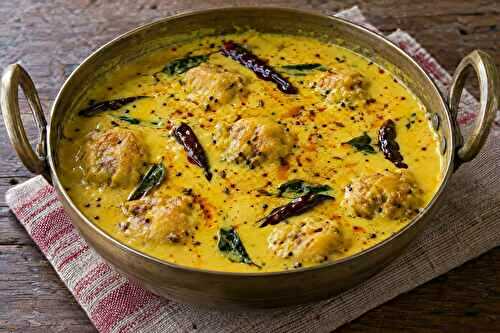
Kadhi
A tangy, spiced yoghurt curry cooked low and slow with a full set of whole spices in mustard oil, then finished with a clarified butter and red chilli tempering.
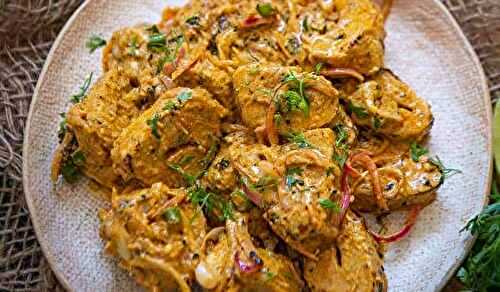
Murg Methi
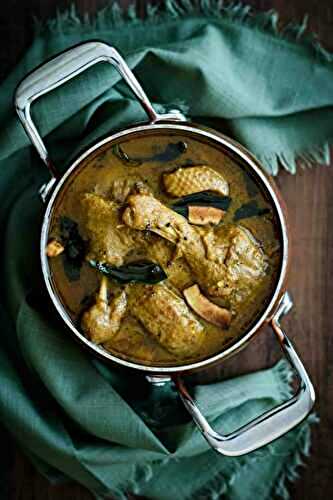
Bitter fenugreek leaves and rich coconut milk sitting in the same curry sounds like a contradiction, but it works in a way that is hard to explain until you taste it.
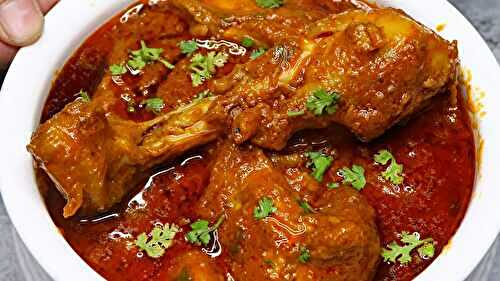
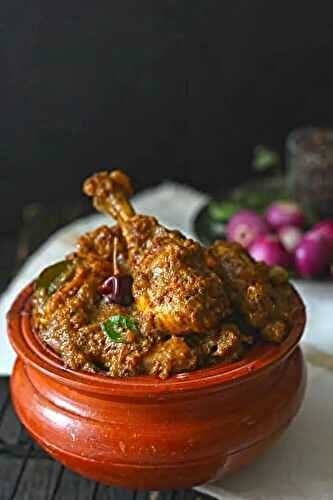
Handi Murgh
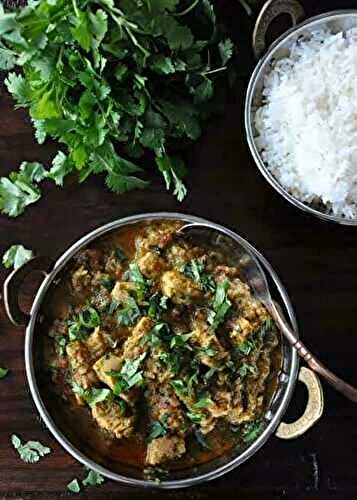
Slow cooking chicken in a handi, or any heavy bottomed pot, does something to the meat that a quick stovetop curry just cannot replicate.
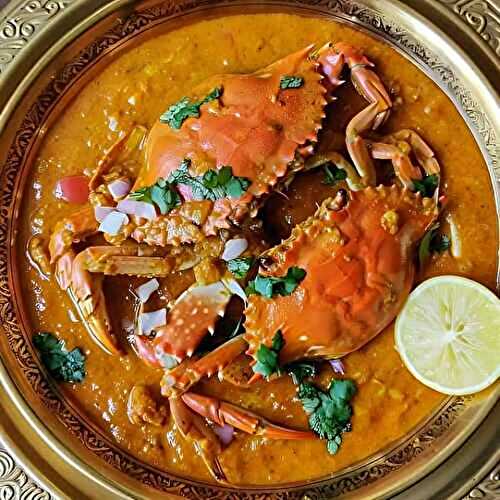
Crab Curry
Few curries justify the effort the way this one does -- the marinade alone, ground fresh with coriander, green chilli, and ginger, sets the crabs up with a depth that shortcuts just cannot replicate.
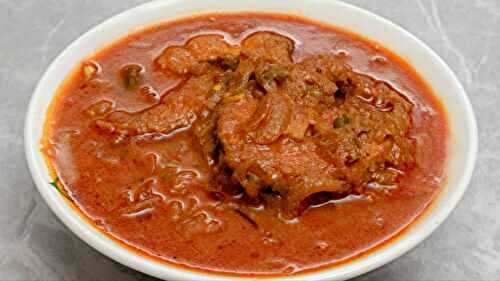
Aattirachi Curry (Kerala Mutton Masala)
What sets this curry apart is the freshly ground whole spice paste -- made right in your kitchen before anything hits the pan.
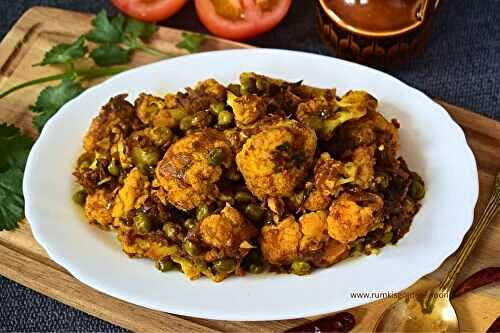
Gobi matar masala dry |Cauliflower peas curry | How to make gobi matar
Gobi matar masala dry aka cauliflower peas curryis an exotic cauliflower recipewhich is frequently preparedin northern Indian houses during the winter season.
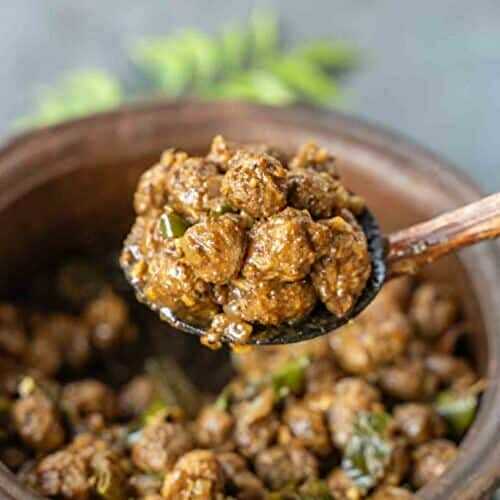
Sri Lankan Soy meat (TVP) Curry
My recipe to make one of my favorite Sri Lankan curries, Soy meat (soya meat) curry.
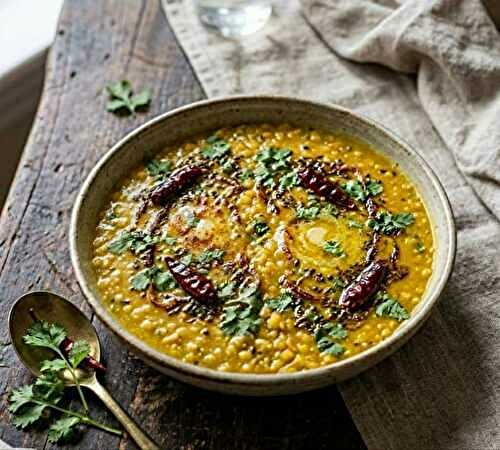
Dalcha
Dalcha earns its place on a weeknight table because it pulls double duty - a lentil curry with enough body to be filling on its own and enough vegetable in it to keep things light.
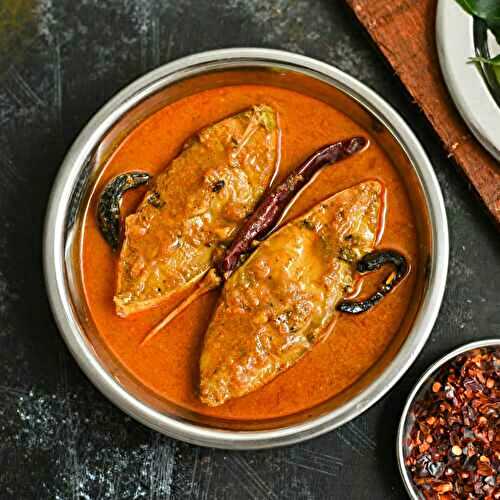
Mangalore Fish Curry
A curry that builds its backbone from a home-ground red masala paste -- one that you make once and keep in the refrigerator for weeks.
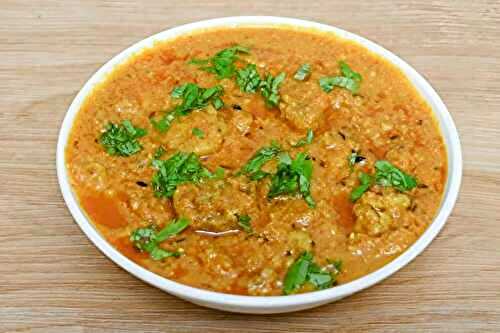
Steamed Vada Curry
Most vada curries rely on deep frying, which means oil, effort, and timing pressure all at once.
Curried Potatoes
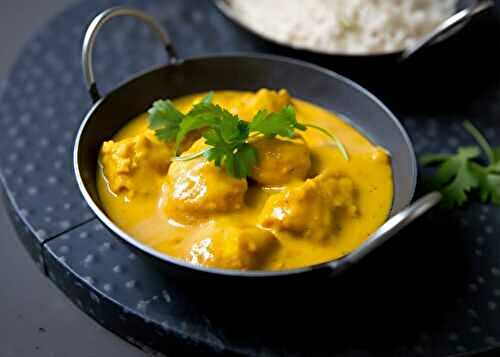
A spice paste ground from scratch, cashew nuts, poppy seeds, dried red chillies, and fresh coconut, is what separates this from every other potato curry you have made.
Banjara Maas (Rajasthani Mutton Curry)
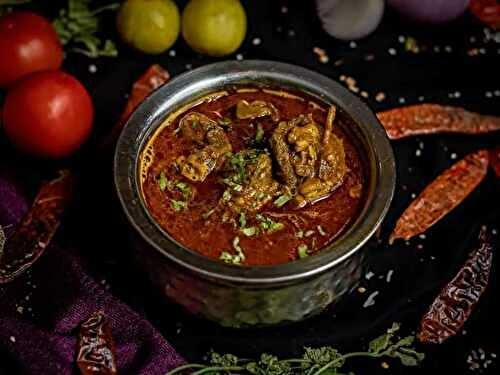
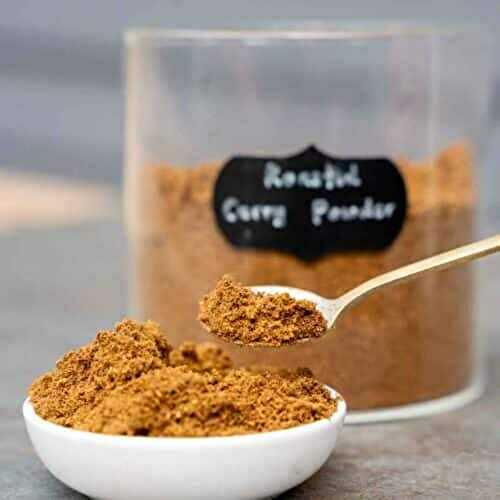
What pulls this curry apart from most mutton dishes is the mustard oil and the hand-ground spice powder you make fresh before cooking.
Grilled Tofu Curry
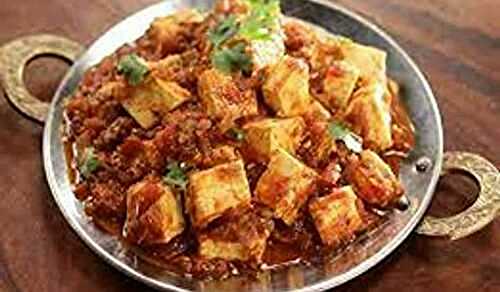
Firm tofu gets brushed with turmeric oil and sauteed until golden, then sits under a quick red curry sauce built from coconut milk, green peas, and fresh basil.